



Best Plant-Based Protein Sources (and Where Nuts Fit In)

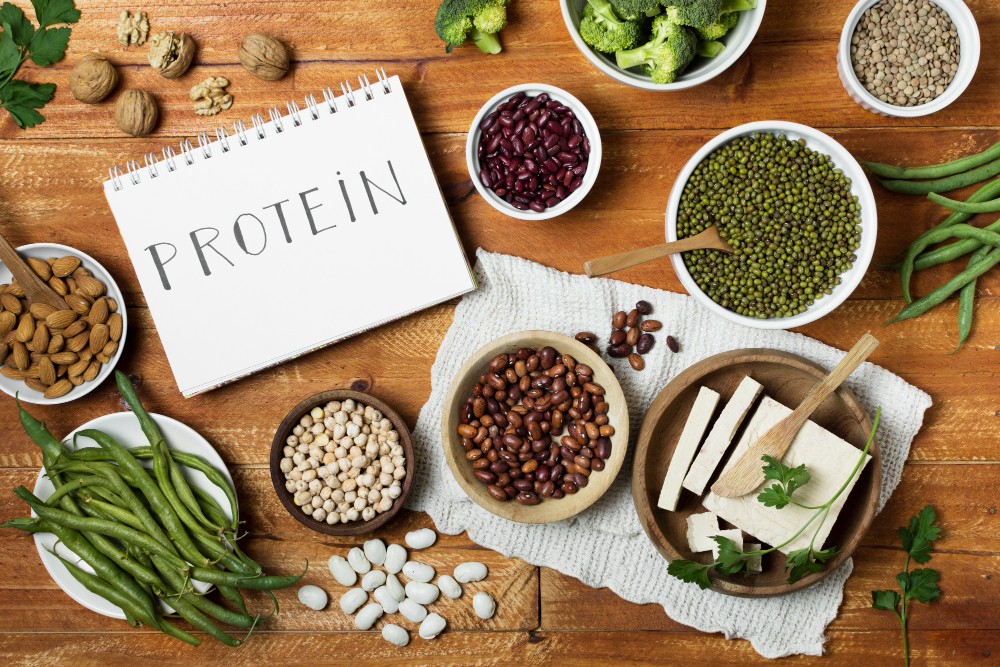
The Best Plant-Based Protein Sources (and Where Nuts Fit In)
Why Choose Plant-Based Protein?
As more people embrace plant-based diets for their health, ethics, or sustainability, getting enough protein from non-animal sources becomes a top priority. Fortunately, the plant world offers a rich variety of high-protein foods that are as nourishing as they are diverse.
What Makes a Good Plant Protein?
A quality plant-based protein source should be:
- Rich in amino acids, especially the essential nine
- Easily digestible
- Nutrient-dense, offering fiber, vitamins, and minerals
Some are complete proteins (like quinoa and soy), while others must be combined (like rice and beans).
Top Plant-Based Protein Sources
1. Lentils
- 18g of protein per cooked cup
- Rich in fiber, iron, and antioxidants
- May support digestion and heart health
2. Tofu, Tempeh, and Edamame
- Tofu: 10g | Tempeh: 15g | Edamame: 8.5g per 1/2 cup
- All three are complete proteins from soybeans
- Good sources of iron, calcium, and probiotics (in tempeh)
3. Seitan
- 25g protein per 3.5oz (100g)
- Made from wheat gluten (avoid if gluten-sensitive)
- Closely mimics meat texture
4. Chickpeas and Beans
- Chickpeas: 7g per 1/2 cup | Beans: 14-15g per cooked cup
- Contain complex carbs, fiber, folate, and iron
- Versatile in salads, stews, hummus, or roasted snacks
5. Quinoa and Amaranth
- 8-9g protein per cup (cooked)
- Complete proteins and gluten-free
- Packed with magnesium, iron, and fiber
6. Hemp, Chia, and Flax Seeds
- Hemp: 9g | Chia: 5g | Flax: 4g protein per oz
- Omega-3 rich with fiber and antioxidants
- Use in smoothies, oatmeal, or baked goods
7. Nutritional Yeast
- 8g protein per 2 tbsp
- High in B12 (if fortified)
- Adds a cheesy flavor to dishes
8. Spirulina
- 8g protein per 2 tbsp
- Algae rich in iron, B vitamins, and antioxidants
- Easy to add to smoothies or juices
9. Whole Grains: Spelt, Teff, Wild Rice, Oats
- Protein content: 5–11g per cooked cup
- Great for energy, fiber, and mineral intake
10. Mycoprotein (e.g., Quorn)
- ~15g protein per 3.5 oz
- Fungal-based meat alternative
- Check labels for egg content if vegan

Brown Flax Seeds Meal
Nutly Brown Flax Seeds Meal has a mild, nutty flavor and smooth texture—perfect for stirring into smoothies, oatmeal, or baking for a nutritious boost.
Nutritional Benefits: High in fiber, omega-3s, and plant-based protein for heart, gut, and brain health.
How to Enjoy: Mix into batters, sprinkle on yogurt or cereal, or use as an egg substitute in vegan baking.
Ingredients: 100% Ground Brown Flax Seeds.


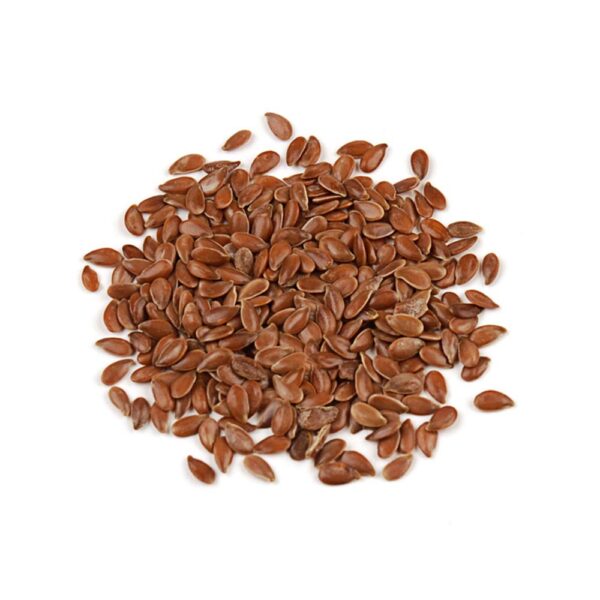
Brown Flax Seeds
Where Nuts Fit In as a Protein Source
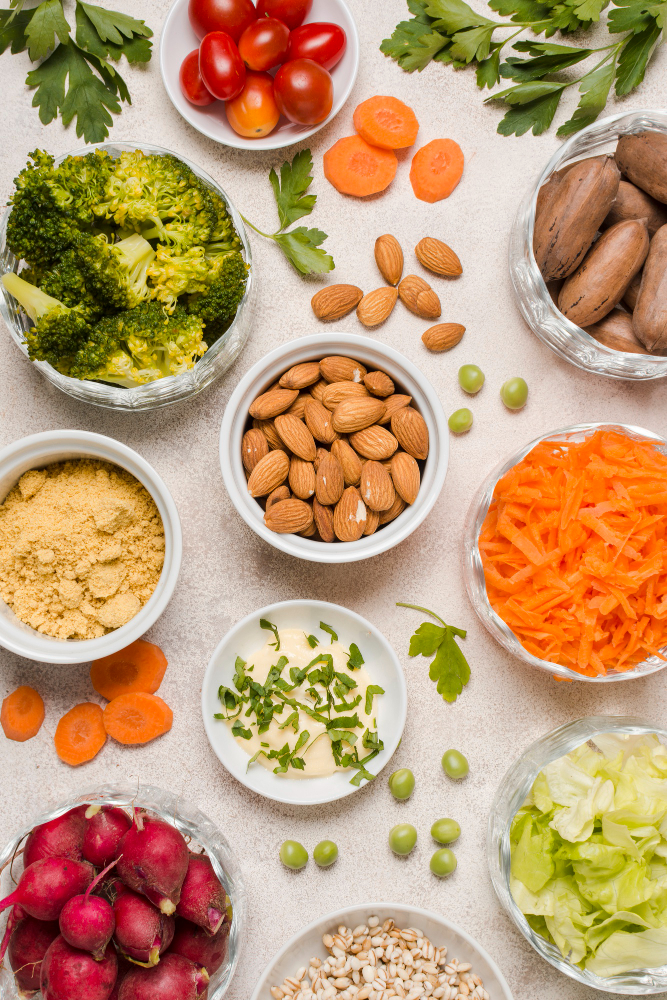
Nuts and seeds provide healthy fats, fiber, and micronutrients — and while not the most concentrated protein sources, they are key components of a plant-based protein strategy.
Protein Content (per 28g / 1 oz):
-
Almonds: 6g
-
Peanuts: 7g
-
Pistachios: 6g
-
Walnuts: 4g
-
Cashews: 5g
Nut butters and raw nuts are excellent as snacks, toppings, or blended into smoothies and sauces.

Raw Almonds

Combining Proteins for Complete Nutrition
Since not all plant proteins are complete on their own, combining foods such as:
- Rice + Beans
- Nut butter + Whole-grain bread
- Hummus + Sprouted grain toast can ensure you’re getting all nine essential amino acids.
Final Thoughts on the Best Plant-Based Protein Sources
A diverse, well-balanced plant-based diet can easily meet your daily protein needs. Including a wide variety of legumes, grains, seeds, nuts, and soy products helps maximize both protein quality and nutrient intake.
Nuts, while not the highest in protein, play a vital role with their complementary amino acids, dense calories, and versatility.


